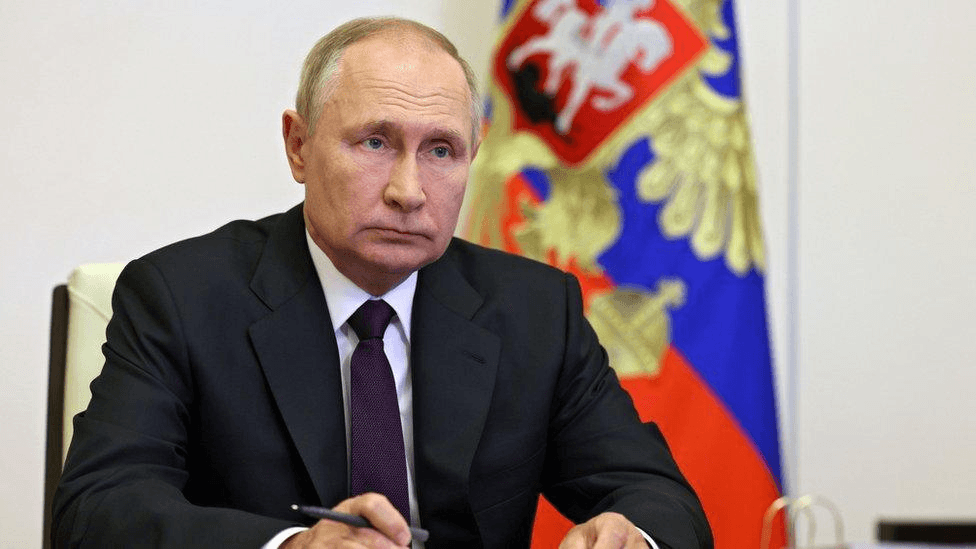
In a long interview with Defence24.com, retired Estonian Major General Veiko-Vello Palm says Estonia still treats Russia as its only existential military threat—and warns that heavy Russian losses in Ukraine do not mean NATO’s eastern neighbours can relax. Palm argues many Europeans understand the risk intellectually while still behaving as if consequences are distant.
Survival365 reports this as background for readers who see similar headlines in the UK and elsewhere. We do not forecast wars or endorse any government’s defence policy. We note when senior figures explain why civil resilience and household readiness stay on the agenda.
Two conditions Palm calls especially dangerous
Palm says trying to guess when Russia might attack NATO is less useful than asking under what conditions Moscow might believe an attack could succeed. He highlights two:
- NATO fails to produce a rapid, unified political and military response.
- Russia believes it can achieve surprise and a military fait accompli before the Alliance can react effectively.
His stated aim for planners is to prevent those conditions—not to fixate on a calendar date. The interview also covers NATO command seams in the Baltic Sea, reinforcement and deterrence, and industrial capacity for a long fight—topics for defence specialists rather than shopping lists.
What Palm says about society
On preparing populations, Palm draws a line between militarising everyday life and keeping society functioning under strain: hospitals treating casualties, municipalities running essential services, industry and infrastructure still working, with clear roles assigned before a crisis. He argues people are often most afraid of what they do not understand—and that practical preparation can replace vague dread with concrete steps.
What this means at home
For households, that same philosophy maps to the basics governments already publish across Europe: several days of water and non-perishable food, hygiene and warmth, cash and documents, and a battery or wind-up radio when networks fail. None of that requires accepting a particular forecast about NATO-Russia war—only that outages and disruption can happen during crises of many kinds.
- UK readers: use our Be Ready checklist and /uk topic pages, alongside gov.uk/prepare.
- Germany and Poland: see the country hubs on this site for BBK-style and local guidance themes.
- Read the full Defence24 interview for Palm’s views on Ukraine lessons, Baltic defence lines, and defence industry—quoted and paraphrased above from the published piece.