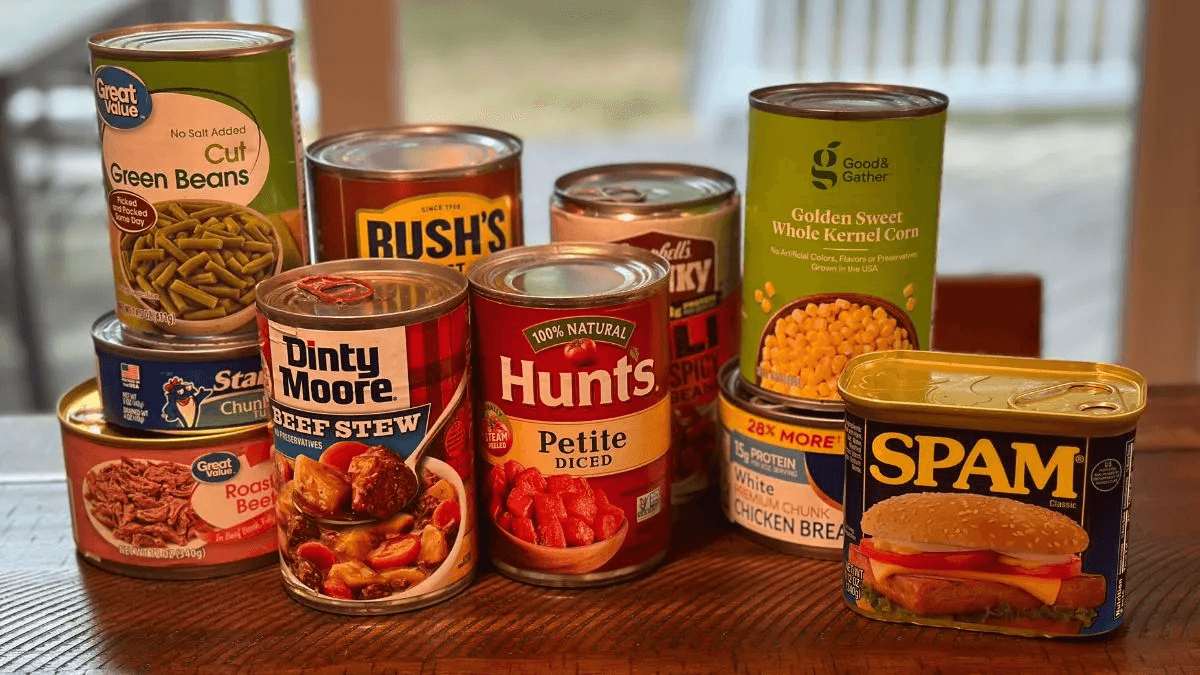
UK government Prepare guidance asks households to keep non-perishable food for about three days if shops or deliveries are disrupted. That is not a bunker’s worth of rations—it is a short buffer so you can stay fed while things stabilise. This guide turns that headline into portions, examples, and habits that work in a normal kitchen.
What counts as non-perishable?
For this purpose, think shelf-stable at room temperature: unopened tins, jars, pouches, dried pasta and rice, crackers, cereal, long-life UHT milk, peanut butter, honey, and dried fruit. Fresh bread, salad, and frozen meals do not count unless you have reliable power and plan to use them first.
How much for 3 days?
Plan roughly three main meals plus snacks per person per day—the same calories you would expect on a quiet bank holiday at home, not hard labour. A practical shortcut: for each household member, aim for nine easy meals you would actually eat (for example nine tins of soup, nine portions of rice and sauce, or a mix).
- Couple: about 18 main-meal portions plus shared snacks.
- Family of four: about 36 main-meal portions—often easier as six multipacks or bulk bags than 36 separate tins.
- Baby formula, pet food, and gluten-free or medical diets need separate lines on your list—official advice includes dependents.
Example 3-day shopping list (one adult)
- 6 × tinned soup, stew, or chilli (2 per day).
- 2 × tinned fish or beans for lunches.
- 1 × dried pasta or rice plus jarred sauce or stock cubes.
- Crackers, cereal, or oatcakes; nut butter or jam; dried fruit and nuts.
- Long-life milk, tea or coffee, squash, and a manual tin opener if needed.
Adjust for vegetarian, halal, kosher, or allergy needs using the same portion logic. Pair this list with bottled water on our UK water page—food without water is incomplete.
Cooking if power or gas is off
Prefer food that is safe cold or ready to eat: tinned fish, beans, cereal with long-life milk, crackers, and fruit in juice. If you might use a camping stove outdoors, only do so with clear ventilation and stable footing—never indoors. When in doubt, cold tinned food beats risky cooking.
Storage and rotation
- Keep a small “use first” box in the cupboard; restock on weekly shops.
- Check dates when you shop; eat items nearing expiry in normal meals.
- Store off the floor, away from radiators, and not in direct sun.
What not to do
- Do not clear supermarket shelves in one trip—that is panic buying, not Prepare guidance.
- Do not buy three years of rice if you never eat rice—you will waste money and space.
- Do not forget hygiene, torches, and radio—food is one chapter of the UK Be Ready list.
Use the Be Ready checklist on this site, the UK food topic page, and our companion guide on panic buying vs stockpiling to tie food, water, and calm shopping together.